
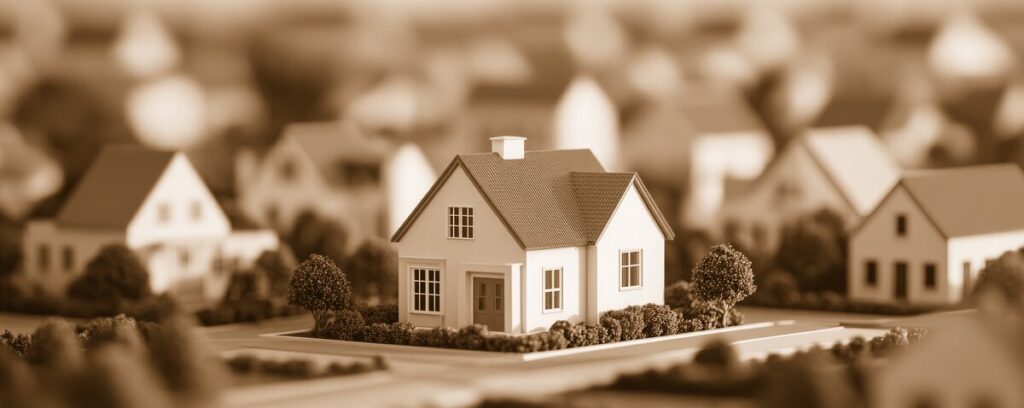
Brooklyn Park, one of Minnesota’s fastest-growing suburbs, is dotted with neighborhoods each carrying its own story. Among these, Sunny Lane stands out for its welcoming atmosphere, rich history, and enduring community spirit. Ask any longtime resident, and you’ll hear that Sunny Lane is more than just a place on a map—it’s a cherished slice of Brooklyn Park’s heritage.
The Origins of Sunny Lane
Sunny Lane’s origins reach back to the post-World War II era, when the northern edges of Minneapolis began expanding outward. Brooklyn Park’s fertile fields, once dotted with dairy farms and orchards, started giving way to small developments, as families looked to settle in quieter, more spacious surroundings.
Sunny Lane started as one such enclave in the early 1950s, originally comprising several blocks along what is now Sunny Lane Drive. Developers were inspired by the gentle eastward slope of the terrain, which captures the sunrise on clear mornings—a feature that led to the neighborhood’s cheerful name. Locals fondly recall how the first homes were simple ramblers and modest split-levels, built by returning veterans and families lured by the promise of peaceful suburban life.
How Sunny Lane Got Its Name
The neighborhood’s name, Sunny Lane, is a nod to both its geography and its founding philosophy. Early residents recall how the first stretch of Sunny Lane Drive was often bathed in morning light, making it an idyllic scene at sunrise. The name “Sunny Lane” was officially adopted in 1952, after developer Harold Jensen’s young daughter referred to the freshly paved street as “the sunny lane” during a family outing.
This casual remark became a neighborhood legend. Community members embraced the name, seeing it as a symbol of optimism, progress, and the spirit of new beginnings that defined Brooklyn Park in the post-war era.
Key Historical Milestones
The decades since Sunny Lane’s founding have seen many changes, but several events stand as milestones:
- 1950s-1960s: The initial build-out of Sunny Lane Drive and intersecting streets like Riverview Lane North and 81st Avenue North was completed, with each block reflecting the mid-century suburban boom. Elm, maple, and cottonwood trees, planted by early residents, still line the avenues today.
- 1974: The opening of Sunny Lane Park, a modest but beloved green space at the heart of the neighborhood, provided a community gathering spot. Picnics, summer baseball games, and outdoor concerts became yearly traditions.
- 1980s: Upgrades to infrastructure saw modern sidewalks, streetlights, and expanded recreational facilities introduced, fueling an ongoing wave of pride among residents.
- 2000s-present: The Sunny Lane Community Association was founded to help preserve the neighborhood’s character, advocate for smart development, and keep the streets safe and vibrant amid Brooklyn Park’s rapid growth.
Notable Landmarks and Institutions
Though Sunny Lane is first and foremost a residential neighborhood, it boasts several landmarks and institutions that help define its character:
- Sunny Lane Park: This central green space on Sunny Lane Drive is more than just a park—it’s the core of neighborhood activity. Locals gather for everything from summer picnics to movie nights in the park and annual fall festivals. The playground, picnic shelter, and baseball diamond are popular with families year-round.
- River Trail School: Located near the northern edge of Sunny Lane, River Trail School has educated generations of local children. Its community garden, started as a partnership with neighborhood volunteers, is a point of pride and teaches students the value of stewardship.
- The Old Dairy Barn: On the western edge, near Douglas Drive North, stands the last vestige of the area’s rural past—a red barn preserved as a nod to the farms that dominated this landscape well into the 1950s. While it’s no longer operational, local historians and volunteers maintain it as a living tribute to Brooklyn Park’s agricultural heritage.
The Neighborhood Through the Decades
Sunny Lane has gracefully evolved with the ebb and flow of broader demographic and economic trends. In the 1970s and 1980s, families from across the Twin Cities relocated to Sunny Lane for its top-rated schools and peaceful streets. By the 1990s, new arrivals brought greater diversity, enriching the community’s traditions, food, and celebrations.
Today, the neighborhood is a tapestry of old and new. Vintage ramblers are lovingly maintained by original owners or young families who appreciate the enduring charm of mid-century design. Modern townhomes and updated parks reflect today’s lifestyle, balancing history with thoughtful progress.
Local events are a strong thread tying generations together—whether it’s the Sunny Lane Summer Block Party, garden tours along Riverview Lane North, or friendly softball tournaments at Sunny Lane Park. The annual spring clean-up, a tradition since 1986, is a community-wide effort to keep the neighborhood beautiful and welcoming.
A Sense of Community That Endures
At its heart, Sunny Lane is defined not just by places, but by people. Neighbors here look out for each other, gathering for potlucks, helping with snow shoveling, or cheering on local youth at weekend soccer games in the park. Block captains keep everyone informed, and the Sunny Lane Community Association organizes events that nurture the neighborhood’s uniquely friendly spirit.
For many, Sunny Lane feels like a small town tucked within the larger city—a place where history is not just remembered, but lived. The stories told on front porches and at the annual picnic connect one generation to the next, making Sunny Lane both a time capsule and a living, evolving home.
Why Sunny Lane Remains Special
Ask anyone who’s lived in Sunny Lane, and you’ll hear similar themes—quiet streets, a sense of safety, and above all, a feeling of belonging. Whether you’re strolling through the leafy avenues, watching children chase fireflies in Sunny Lane Park, or swapping stories with neighbors, it’s clear why this neighborhood continues to capture the hearts of Brooklyn Park residents old and new.
Sunny Lane is more than just a neighborhood; it’s a cherished chapter in the ongoing story of Brooklyn Park, woven together by generations of families, traditions, and a shared love of community.